
AI Garden Design vs Traditional Garden Planning: Which Wins?
AI garden design wins the early planning stage: it is faster, more personal because it starts from your real photo, and free to try. Traditional garden planning still has a place for construction-ready detail, but for deciding what your garden should look like, AI garden design — and FlorAI specifically — is the clear winner for most homeowners.

What Is Traditional Garden Planning?
Traditional garden planning usually means sketching a layout by hand or in planning software, measuring your plot, researching plant combinations, and revising the plan over multiple sessions — either alone or with a landscape designer. It can produce very precise results, but it takes real time: days for a DIY sketch, or weeks for a professional design with revisions.
What Is AI Garden Design?
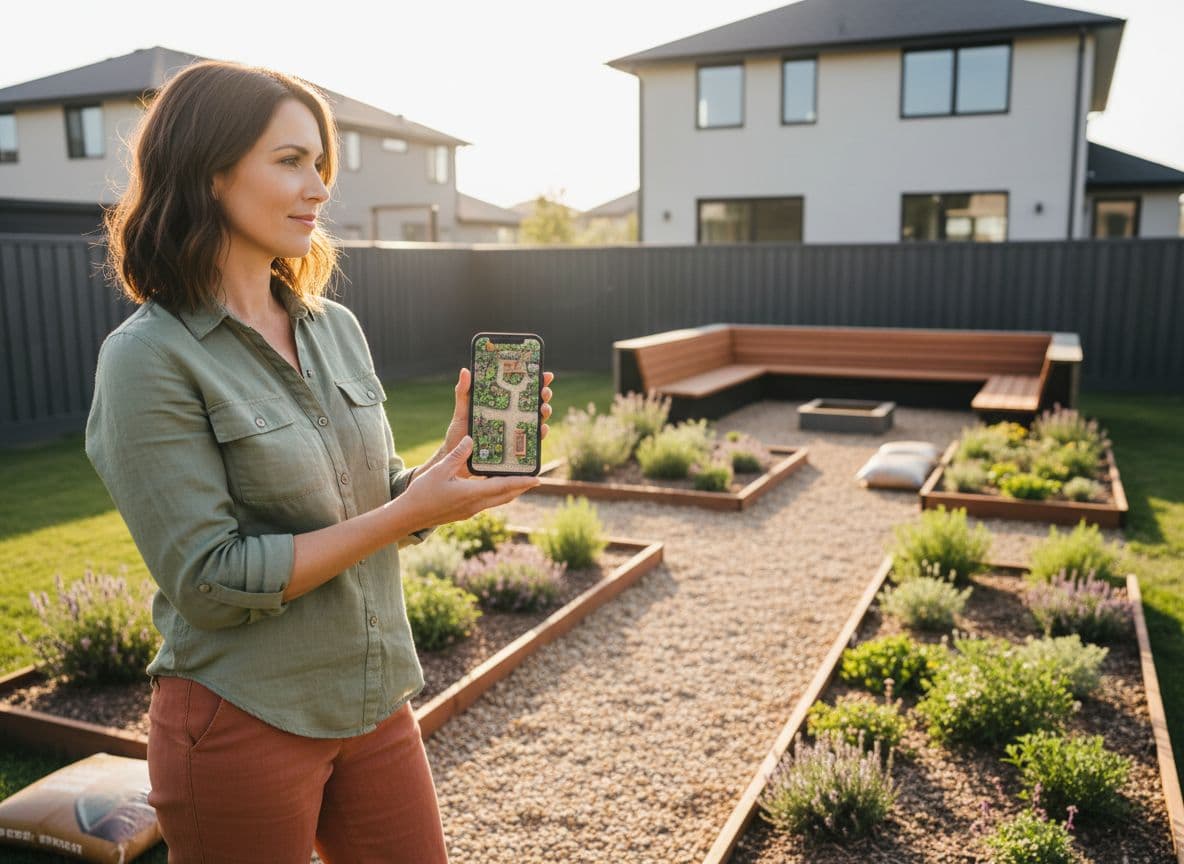
AI garden design is a photo-based approach: you upload one picture of your garden, backyard, patio or balcony, choose a style, and the AI generates a redesigned version of that exact space in seconds. Instead of imagining changes in the abstract, you see them applied to your real photo. FlorAI built its entire four-step process around this idea.
Because the starting point is always a real photo, AI garden design avoids one of the biggest weaknesses of traditional inspiration boards: the gap between someone else's garden and your own. A layout that looks great in a magazine may simply not fit your fence line, your sun exposure or your existing paths. AI garden design closes that gap by working directly on top of what you already have.
AI Garden Design vs Traditional Planning: Side-by-Side
| Factor | AI Garden Design (FlorAI) | Traditional Planning |
|---|---|---|
| Speed | Seconds per design | Days to weeks |
| Personalization | Built from your real photo | Depends on planner's skill and time |
| Cost to start | Free to try | Free (DIY) to $$$ (professional) |
| Skill needed | None | Moderate to high |
| Number of options to compare | Many, quickly | Limited by time and revisions |
| Best for | Deciding on a style and direction | Construction-ready, technical detail |
When Traditional Planning Still Makes Sense
AI garden design is not a replacement for professional, construction-ready work. Once you have settled on a style and layout direction, projects that involve grading, drainage, irrigation lines or permits still need a qualified professional. Water-efficient landscaping in particular benefits from expert guidance — the U.S. EPA's WaterSense landscaping guidance is a solid, independent resource for the technical side once your design direction is set.
In other words: use AI garden design to decide what you want, and traditional planning or professional installation to make it real.
The Real Cost of Traditional Garden Planning
It's easy to assume traditional planning is "free" because you can sketch a layout yourself with a notebook and a tape measure. But the real cost is time and revisions. A DIY sketch usually goes through several rounds as you realize a plant won't fit, a path is too narrow, or the layout doesn't match how you actually use the space. Hiring a professional to produce a design concept — before any construction — commonly costs a meaningful sum and takes one to several weeks depending on availability and how many revisions are needed.
AI garden design compresses that same exploration into minutes, at no cost, because generating another version of your design costs nothing more than tapping a different style.
Why Homeowners Are Switching to AI Garden Design First
The pattern shows up consistently in how people plan outdoor projects now: start with a fast, free AI garden design to settle on direction, then bring in traditional planning or a professional only for the parts that truly need it. This order avoids paying for revisions on ideas that were never going to work, and it means every dollar spent on a professional goes toward execution rather than exploration.
Why FlorAI Wins for the Planning Stage
It Starts From Your Real Space
Traditional planning often relies on inspiration photos of someone else's garden. FlorAI redesigns your actual photo, so every idea is already scaled and shaped to fit your space.
It Removes the Guesswork of Imagining Changes
It's hard to picture a new patio or planting bed just by reading a plan. FlorAI's before-and-after comparison removes that mental gap entirely.
It Makes the Professional Conversation Shorter
Homeowners who bring a clear AI garden design to a landscaper typically need fewer revision rounds, because the brief — style, layout, mood — is already visual and specific instead of a verbal description.
It Works for Any Outdoor Space, Not Just Full Gardens
Traditional planning is often built around larger projects, which can feel like overkill for a small patio or balcony refresh. FlorAI scales down just as well as it scales up — a compact balcony garden design gets the same photo-based treatment as a full backyard makeover.
How to Combine Both for the Best Results
The most effective approach isn't AI garden design instead of traditional planning — it's AI garden design first, traditional planning second.
- 1. Upload a photo of your backyard, patio, balcony or front yard to FlorAI and try a few styles.
- 2. Save the design that feels right and share it with family or a landscaper.
- 3. Bring in a professional for construction-ready detail, irrigation, drainage or permits.
- 4. Use FlorAI again for any future refresh — it's free to keep exploring ideas.
Which Approach Fits Your Project Size?
Project size changes how much traditional planning actually adds. For a small refresh — new planting along a fence line, a patio furniture swap, a balcony makeover — traditional planning is usually overkill; an AI garden design gives you enough clarity to shop and start. For a large-scale backyard renovation involving grading, new hardscaping or structural changes, AI garden design is still the right starting point for direction, but you will eventually need a professional to translate that direction into a buildable plan.
The mistake to avoid is over-investing in traditional planning before you even know what style you want. Settling on direction first, with an AI garden design tool, makes every later step — whether DIY or professional — faster and less expensive.
A Simple Scenario: Planning a Backyard Refresh
Consider a typical weekend homeowner project: refreshing a tired backyard before summer. With traditional planning, that usually starts with browsing inspiration photos of other people's gardens, sketching rough ideas, and maybe getting a quote from a landscaper for a concept design — a process that can easily stretch across two or three weekends before any real decision is made.
With AI garden design, the same homeowner takes one photo of the actual backyard, tries three or four styles in FlorAI over a coffee break, and walks away with a clear favorite — all before the first weekend is over. The traditional route can still follow from there for the parts that need real construction, but the guesswork and back-and-forth are already gone.
Frequently Asked Questions
For the early idea stage, yes — AI garden design like FlorAI is faster, more personal because it starts from your real photo, and free to try. Traditional planning is still valuable for construction-ready plans, but most people benefit from starting with an AI concept first.
AI garden design (like FlorAI) transforms a real photo of your space into a finished design idea in seconds. A traditional garden planner usually means manually sketching a layout, measuring the plot, and researching plants — a slower, more hands-on process.
Not entirely. AI garden design is best for the visual planning stage — deciding on a style and layout direction. A landscape designer or contractor is still needed for construction-ready plans, permits, drainage and irrigation.
A well-built AI garden design app keeps the real shape, fences, walls and paths of your space and only changes plants, materials and layout details, which is what makes the result realistic enough to act on.
AI garden design apps like FlorAI are free to try, with no upfront cost to generate your first ideas. Traditional planning is often free if done yourself, but hiring a professional to sketch options typically costs money and takes days to weeks.
Yes. Many people use AI garden design first to settle on a style and layout direction, then bring the visual to a landscaper. This usually shortens the number of revision rounds because the brief is already clear.
Skip the Sketchpad — Start With Your Photo
See why FlorAI wins the planning stage against traditional garden planning. Upload a photo and get your first AI garden design free on iOS, Android or the Web.


Related reading: not sure which app to pick? See our best AI garden design app checklist to compare the criteria that actually matter.